Explore the historical continuity of our people: Aramean Timeline →

Arameans
Digital Archive

Library


Archeology
Barhadad of Urhoy/Edessa's Memory of Ancient Aramean Kings

Barhadad of Urhoy/Edessa's Memory of Ancient Aramean Kings

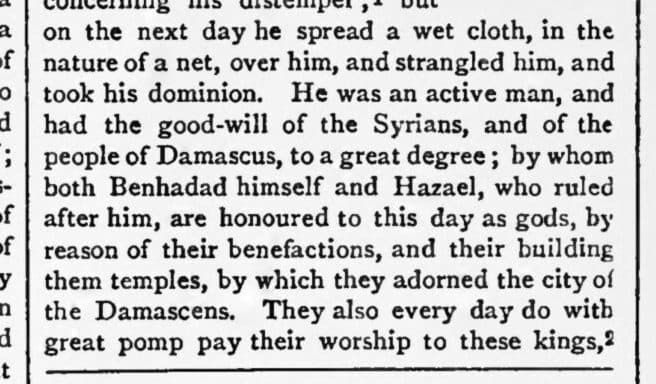
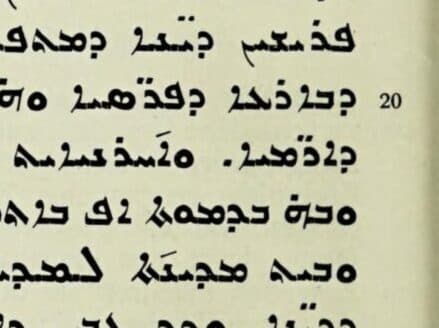
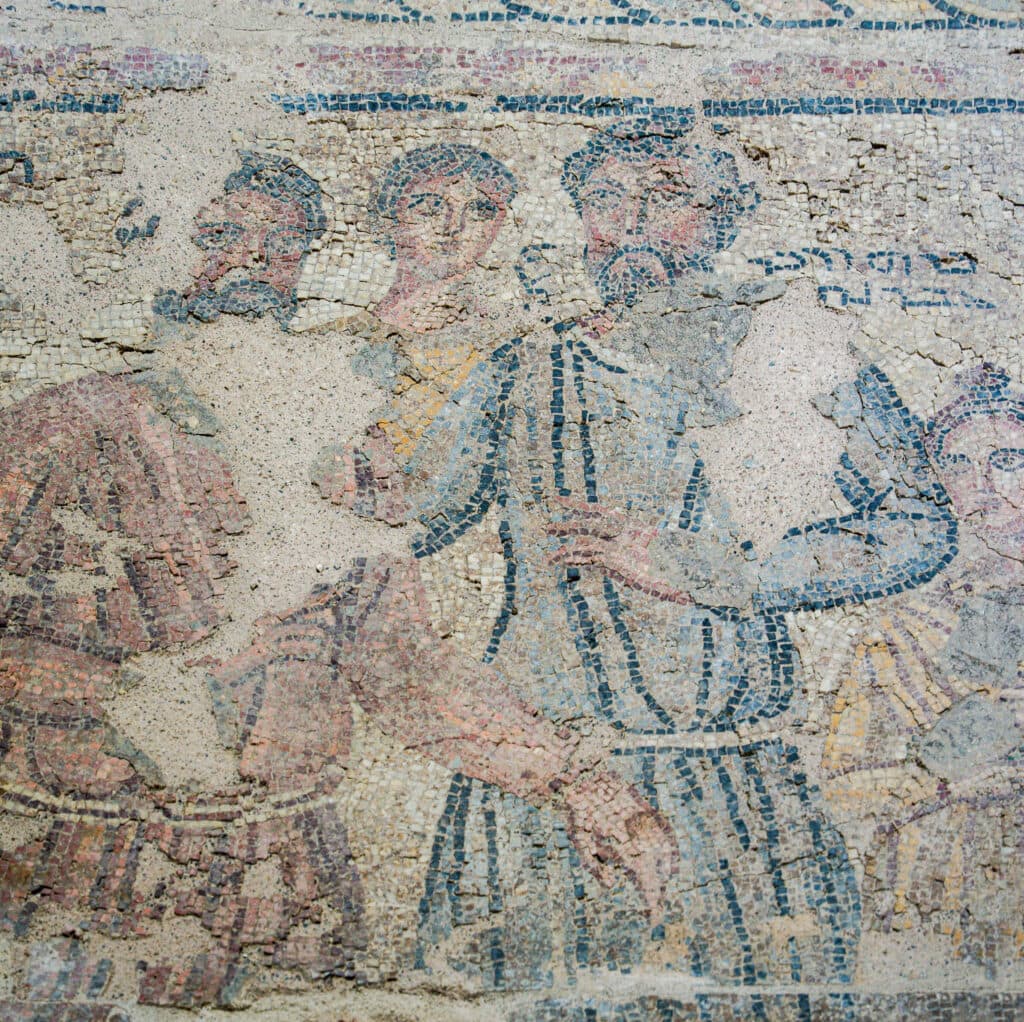
The Barhadad Mosaic depicts five people alongside early Syriac inscriptions. Within these inscriptions, a man named "Barhadad, the son of 'Abdnu" is identified. He is shown as a bearded figure wearing a blue, long-sleeved tunic and blue trousers, standing behind the left arm of a senior bearded figure. While certain visual cues, such as the senior figure's forward arm placement and a specific commemorative blessing, suggest that another individual might visually dominate the scene, academic documentation traditionally styles the piece as the Barhadad Mosaic. His name, Barhadad, certainly derives from the memory of the ancient Aramean king Barhadad, king of Aram. Arman Akopian suggests that despite the pagan origins of such names, Syriac Christians preserved the names of ancient Aramean kings, specifically Barhadad, well after they adopted Christianity. This depiction of Barhadad of Urhoy/Edessa suggests an awareness of Aramean origins among the Syriac Christians of Urhoy/Edessa. What is striking in this inscription is that Barhadad is spelled as a single word, ܒܪܗܕܕ, instead of two separate words. This formatting indicates that his actual given name is Barhadad, rather than "Bar" serving as a patronymic prefix meaning "son of Hadad." This distinction is further supported by the inscription itself, which explicitly names his father as 'Abdnu. Consequently, the use of Barhadad as a single, unified name reflects a direct linguistic and cultural connection to the ancient Aramean king Barhadad. The Syriac inscription reads: ܡܣܐ ܒܪܗܕܕ ܒܪ ܥܒܕܢܘ ܘܐܠ ܪܘܡܐ ܒܪ ܒܪܫܡܐ ܕܟܝܪ ܚܬܐ ܒܪܬ ܪܘܡܐ This translates to: "Masa. Barhadad, son of 'Abdnu. Wa'el. Ruma, son of Barsama, may he be remembered. Hata, daughter of Ruma." It's preserved in the Şanlıurfa Museum, dates to the early 3rd century AD and measures 245 cm by 235 cm. It was discovered in 1991 in a former cave-tomb in Yakup Mahallesi in Urfa.


Manuscript
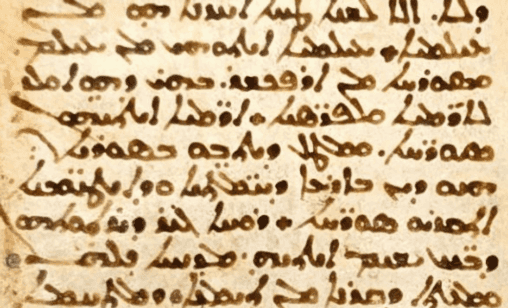
Memory of Aramean Kings Alive in a Syriac Orthodox Bishop's Name
Chronicle of ZuqninChronicle of Zuqnin

Memory of Aramean Kings Alive in a Syriac Orthodox Bishop's Name

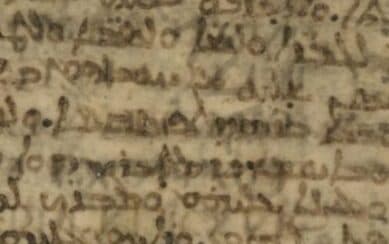
"They did this for days and only reluctantly desisted from massacring at the order of comes Leontius and the appeal of the blessed Bar-Hadad the bishop. They guarded the city vigilantly day and night, while the holy Bar-Hadad went around, visiting them, praying for them, and blessing them. He praised their diligence, encouraged them, and sprinkled baptismal water on them and on the wall of the city. He also carried the Eucharistic bread while going around, to let them take communion at their posts, lest anyone of them leave his post and come down from the wall for this purpose." Arman Akopian states that Arameans preserved the names of their ancient kings even after adopting Christianity, despite the pagan origins of those names. A prime example of this cultural preservation is Bishop Bar-Hadad of Tella, a prominent Christian leader active during the late fifth and early sixth centuries. He operated within a highly volatile Mesopotamian frontier environment where bishops frequently assumed massive civic, protective, and political roles to shield their communities from destruction. His moral and regional authority is famously captured during the Roman-Persian conflicts around 502 to 503 AD, when the region faced the invading forces of the Persian king Kavad I, who is historically also referred to as Kawad. During these clashes, Bar-Hadad actively defended his people against the Persian king's onslaught, famously sprinkling holy water on the city walls and bringing the Eucharist directly to soldiers at their defense posts. It was during this same turbulent war that local military forces planning a bloody massacre only reluctantly desisted from the slaughter due to a combination of an imperial order and the direct, urgent appeal of the blessed bishop himself.

Encyclopedia
From Arameans to Syriacs
Encyclopedia BritannicaEncyclopedia Britannica

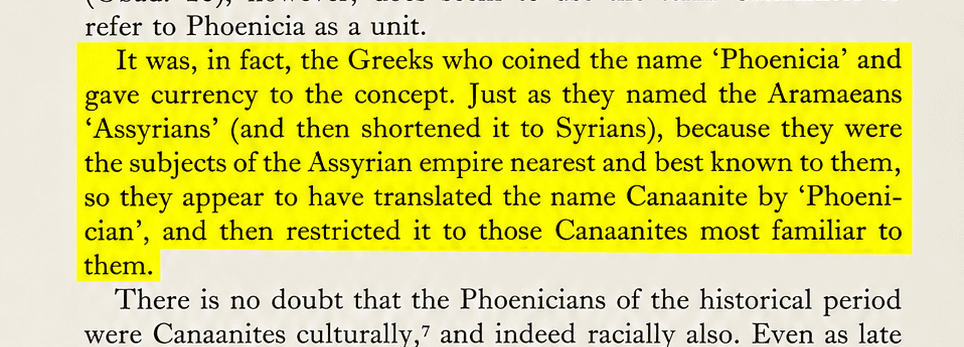
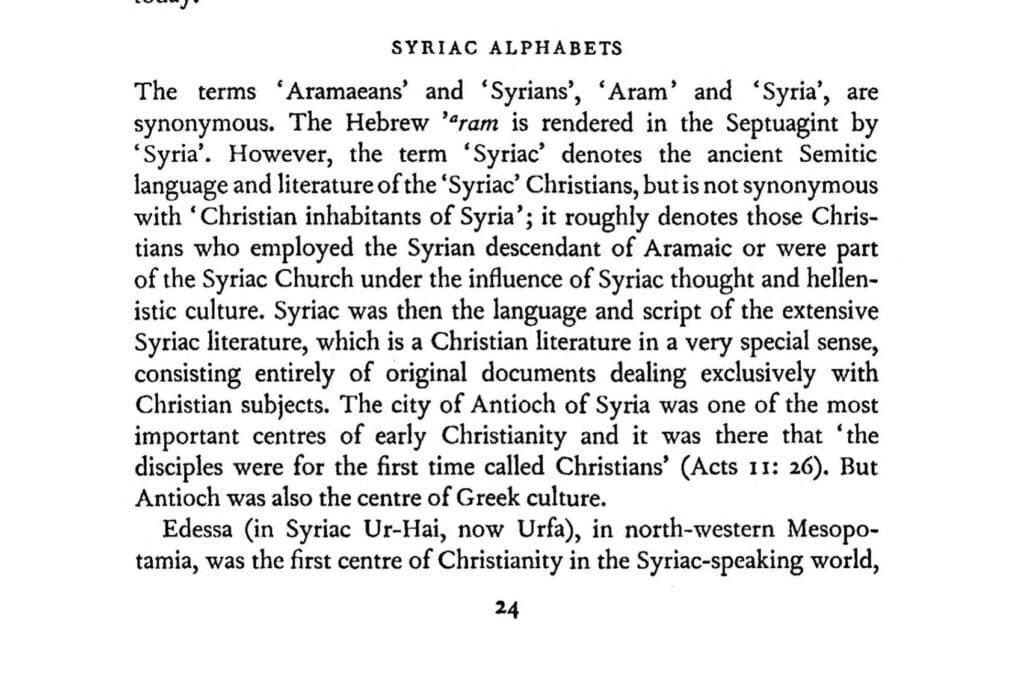
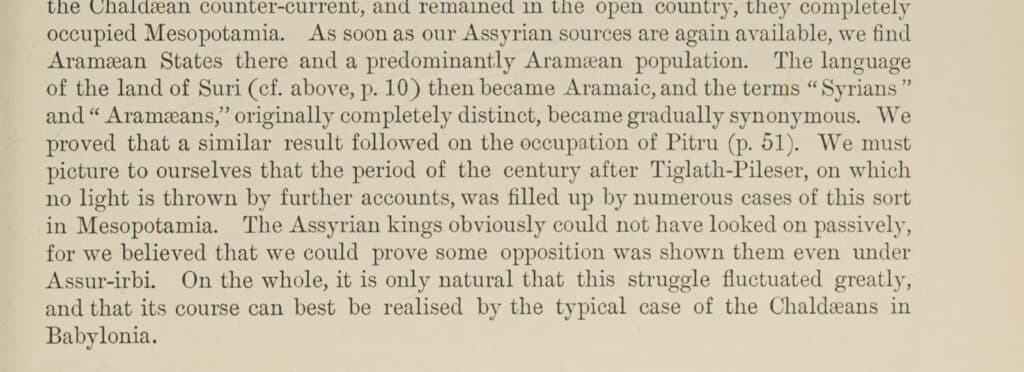
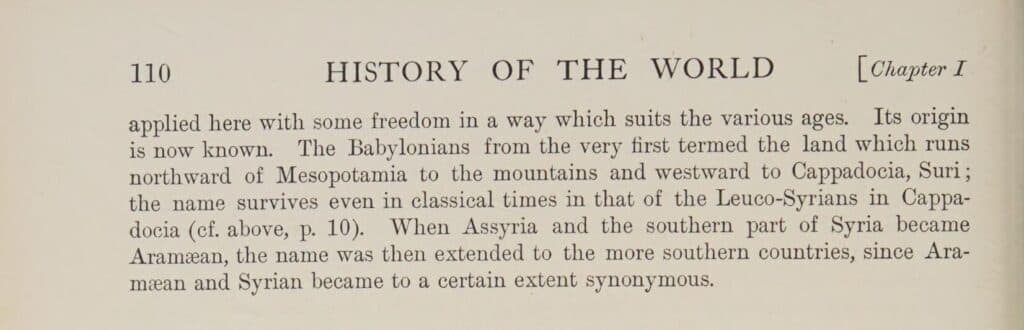
From Arameans to Syriacs

"At Edessa, in the west of Mesopotamia, the native " dialect had already been used for some time as a literary language, and had been reduced to rule through the influence of the schools (as is proved by the fixity of the grammar and orthography) even before Christianity acquired power in the country in the 2d century. At an early period the Old and New Testaments were here translated, with the help of Jewish tradition. This version (the so-called Peshitta or Peshito) became the Bible of Aramaean Christendom, and Edessa became its capital. Thus the Aramaean Christians of the neighbouring countries, even those who were subjects of the Persian empire, adopted the Edessan dialect as the language of the church, of literature, and of cultivated intercourse. Since the ancient name of the inhabitants, "Aramaeans," just like that of Ἕλληνες, had acquired in the minds of Jews and Christians the unpleasant signification of " heathens," it was generally avoided, and in its place the Greek terms " Syrians " and "Syriac" were used. But "Syriac "was also the name given by the Jews and Christians of Palestine to their own language, and both Greeks and Persians designated the Aramaeans of Babylonia as "Syrians." It is therefore, properly speaking, incorrect to employ the word "Syriac" as meaning the language of Edessa alone; but, since it was the most important of these dialects, it has the best claim to this generally received appellation"