
Origins and Phases of Migration
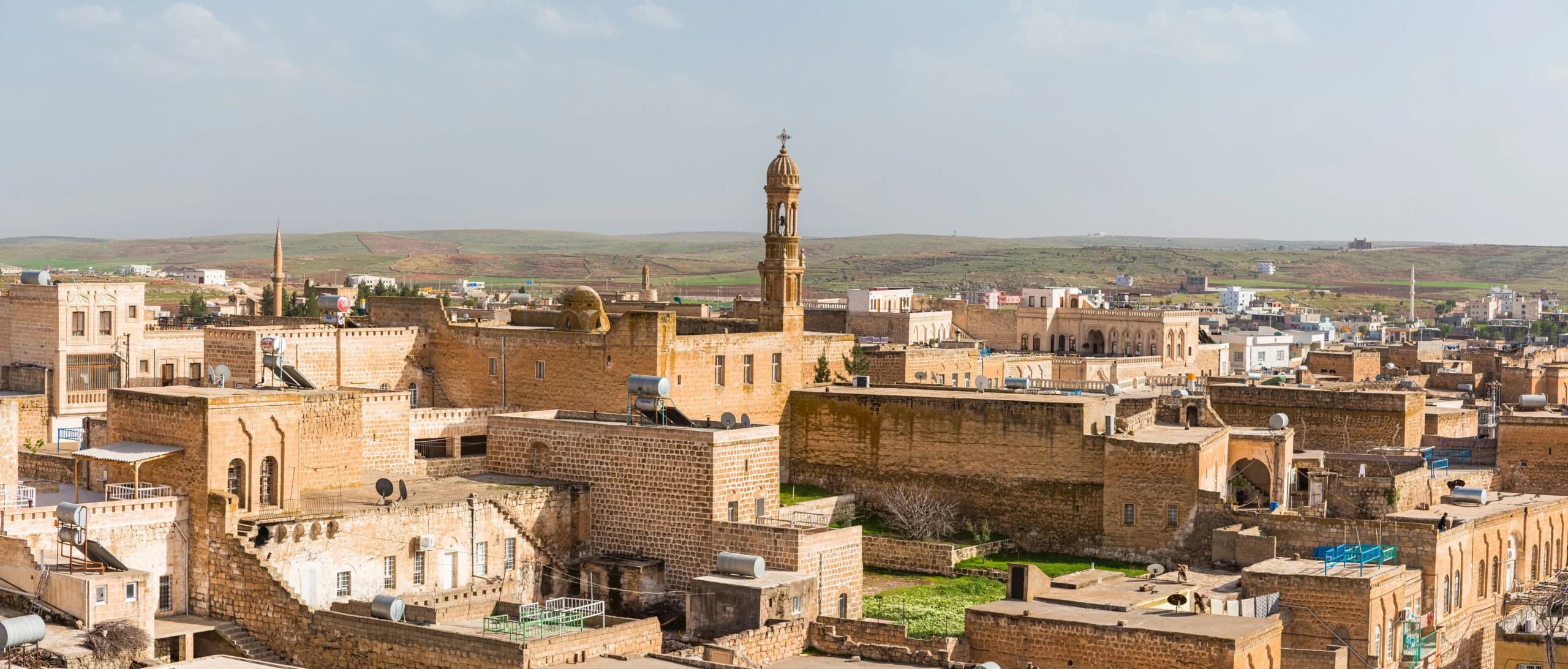
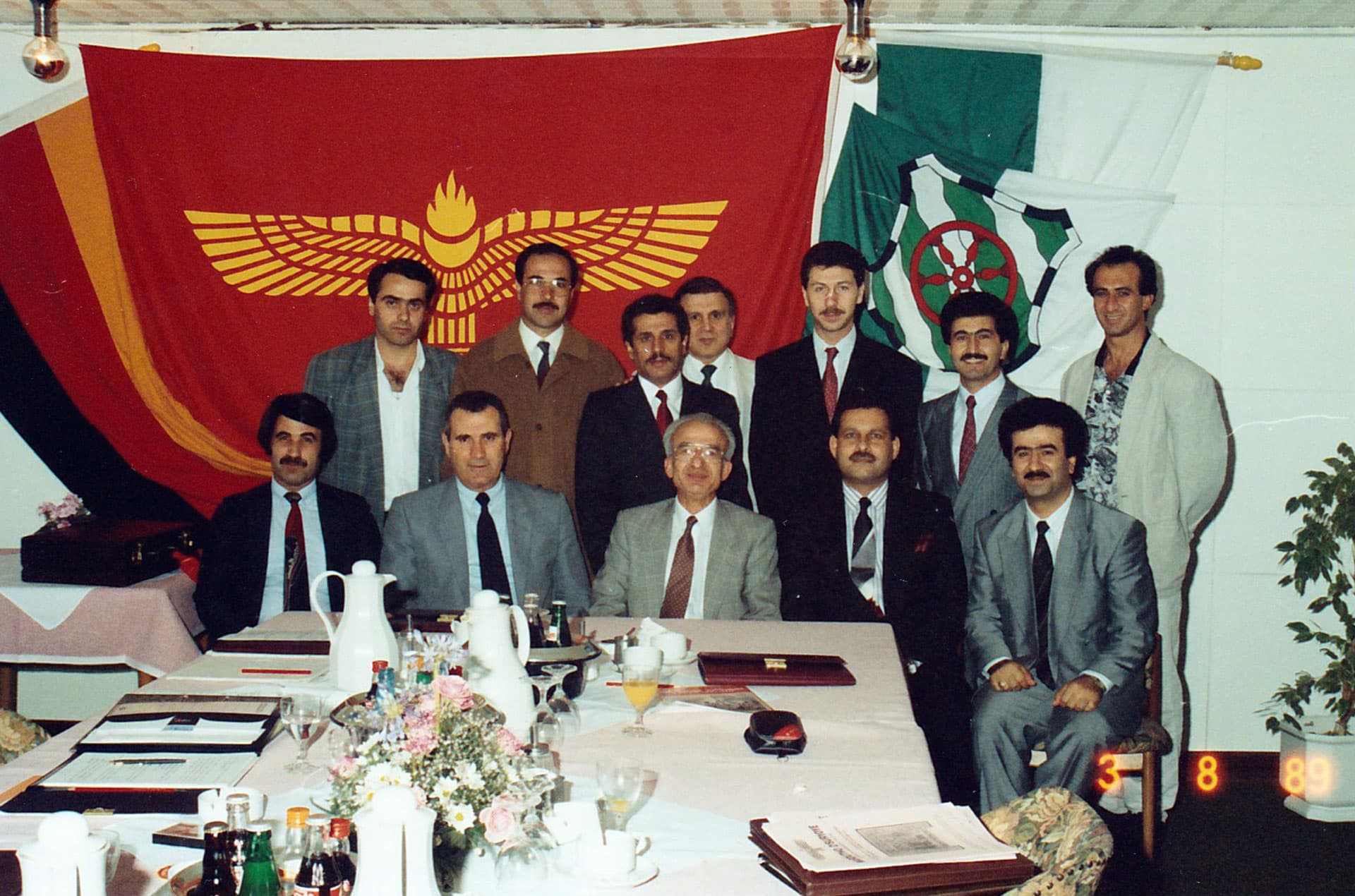
Syriac-Aramean families of Syriac Orthodox faith began arriving in Germany sporadically in the 1960s in the context of the guest worker recruitment. This was part of broader post-war immigration waves that brought laborers from Turkey and other countries to fuel economic recovery. Unlike many who came primarily for better wages, these families were often fleeing the lingering effects of persecution in their ancient homeland of Tur Abdin in southeastern Turkey. This persecution was rooted in the 1914–1915 Sayfo genocide that decimated Christian communities alongside the better-known Armenian genocide. The Tur Abdin, which translates to "Mountain of the Servants of God" in Aramaic, is named for its numerous churches and monasteries and was the ancestral region for most of these migrants.
While men frequently arrived first in the early years, later bringing families in staggered waves, a major wave of emigration occurred in the 1980s after the recruitment stop. During this period, Syriac-Arameans in the Tur Abdin were in danger of being crushed between the fronts in the Turkish-Kurdish civil war. Geographically, they were caught between the Turkish military on one side and the Kurdistan Workers' Party (PKK) on the other. The PKK, which fought for an independent Kurdistan, is banned in Germany. The region was to be ethnically cleansed of Syriac-Arameans, and conditions grew increasingly untenable with limited education, few jobs, and ongoing attacks leaving little future for Christian minorities there. Between 1990 and 1994 alone, this conflict resulted in 30 murders of Syriac-Aramean citizens. Consequently, many sought political asylum in Western Europe, with Germany becoming a major destination alongside Sweden and the Netherlands. Initially arriving as refugees without regular legal status, they eventually received the right to asylum and were able to build a new life.
Establishing Life in the Diaspora
The early years in the diaspora were extremely difficult for many Syriac-Arameans. Although a few highly educated individuals migrated westward, most families arriving from Turkey grew up with only limited formal education by Western standards. In the 1970s and 1980s, Syriac-Arameans were therefore predominantly employed as unskilled workers, staffing major companies in hubs like Gütersloh such as Bertelsmann, Miele, and Vossen. From the beginning, however, some also practiced trades they had learned in their homeland, such as goldsmithing or tailoring.
Syriac-Arameans encountered a value system in Western countries that differed greatly in many respects, despite the shared Christian faith. This stemmed from an oriental culture and way of life that always places the collective above individual needs. Family and kinship ties were far stronger than in local Western societies. For most Syriac-Arameans, it was and remains unthinkable to have a partner or live together before marriage. These patterns have loosened over time, yet the family still holds an extremely high value among Syriac-Arameans.
At the very top of the value system has always been the Christian faith, most often Syriac Orthodox. The greatest need for Syriac-Aramean Christians in the diaspora was therefore to build places of worship that served not only for communal prayer but also as meeting points where they could maintain their culture and language. Initially, churches of other denominations were used or small halls were rented. Eventually, communities in every city with a significant Syriac-Aramean population transitioned to constructing their own churches, sometimes several. The community has built more than 60 self-funded churches through congregational tithes. In Gütersloh alone, there are three churches available to the respective congregations: St. Maria Church, St. Lukas Church, and St. Stephanus Church. These spaces are where weddings, baptisms, feasts, and youth activities like altar service and choirs form the social and spiritual heartbeat of family life.
Current Demographics and Integration
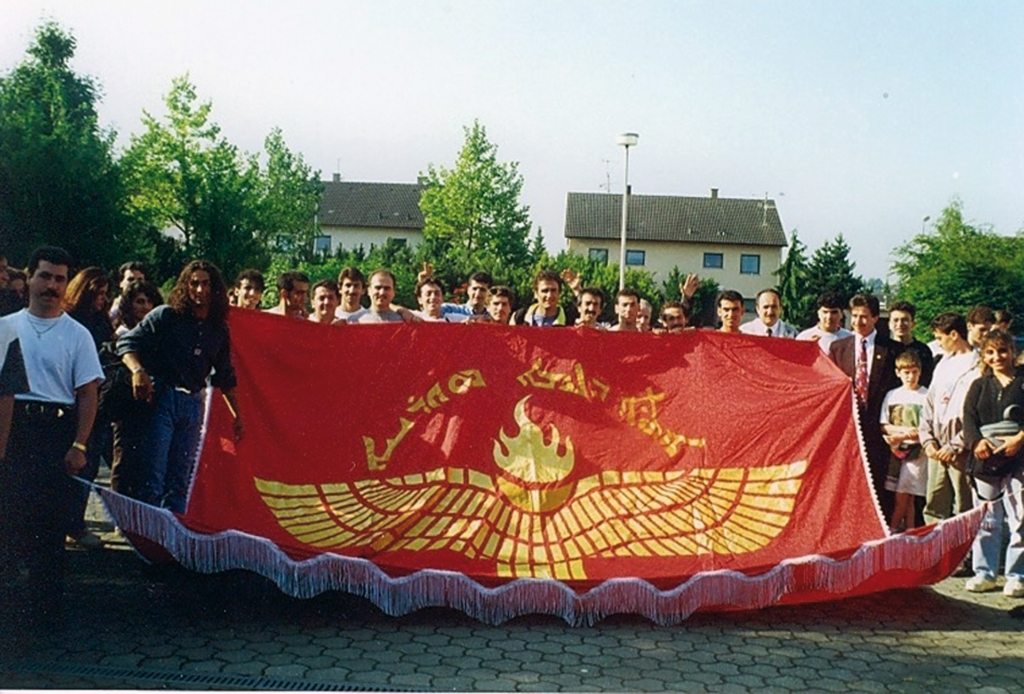
Today, Germany hosts a vibrant yet challenged Syriac-Aramean diaspora of over 100,000 people. They are concentrated in certain towns where multiple parishes can coexist, such as the district of Gütersloh which has approximately 12,000 Syriac-Arameans, and the greater area around Stuttgart, Heidelberg, and Heilbronn. Meanwhile, Syriac-Arameans have found new homes in the United States, Australia, and Brazil. Prosperous communities have developed, particularly in the Stockholm suburb of Södertälje, where Syriac-Arameans make up roughly 20,000 of the 60,000 inhabitants. In contrast, only an estimated 2,000 Syriac-Arameans remain in Turkey today. The numbers in Syria and Iraq are considerably higher, but migration westward continues strongly due to ongoing conflicts in those countries. It must therefore be expected that in the future there will be only isolated pockets of Syriac-Aramean population left across the entire Middle East.
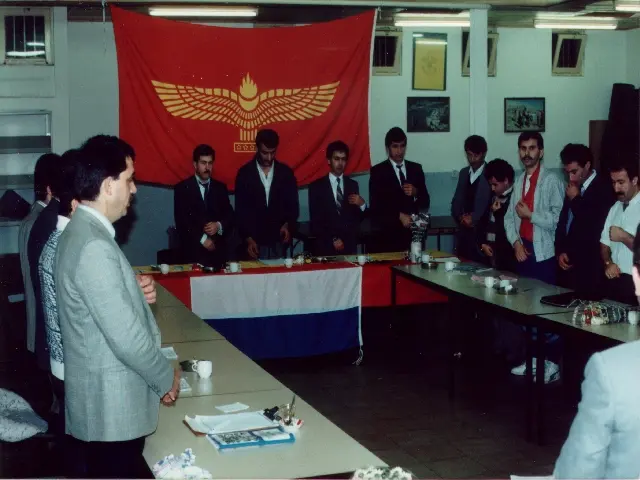
Because a return to their countries of origin was either impossible or extremely difficult, Syriac-Arameans integrated and in some cases assimilated very quickly. Marriage with members of other population groups is no longer rare and shows that Syriac-Arameans have opened themselves to German society. They participate in public and cultural life and often create their own venues to foster coexistence. Many Syriac-Arameans of the second and especially the third generation place great emphasis on education and professional success. This has resulted in a significant number of academics who have organized themselves in networks such as the Circle of Syriac-Aramean Students (KRAS) and KANO Suryoyo. The large number of Syriac-Aramean-owned businesses in Gütersloh is particularly noteworthy, as are the six Syriac-Aramean associations currently active in the district alone, which engage in both sporting and cultural activities.
In the last two decades, more and more Syriac-Arameans have acquired German citizenship and largely adopted the lifestyle of the country. A few glimmers of hope for cultural retention appeared some years ago when Syriac Orthodox religious education was added to the curriculum in Baden-Württemberg and North Rhine-Westphalia in 2001. Additionally, a law was passed allowing Syriac-Arameans to shed the Turkish surnames forced upon them and reclaim their original Syriac-Aramean family names. Many took advantage of this and sent a small but identity-strengthening signal.
Challenges of Identity, Youth, and Faith
Despite these advancements, living in a highly secular society presents distinct difficulties for these devout families. Historically perceived as Turks by broader German society, Syriac-Arameans have sometimes felt invisible as a distinct ethnoreligious group. Their strong sense of identity is tied to language, ancient Christian heritage tracing back to Antioch, and separation from both Turkish nationality and modern Syrian associations. However, for a stateless people without a modern nation preserving their spoken dialect, these markers grow fragile over time.
Younger members, immersed in German schools and culture from kindergarten onward, often shift quickly to speaking German. This leads to code-switching at home and declining fluency in Surayt, or Turoyo, their Central Neo-Aramaic mother tongue. Church services remain in classical Syriac, the ancient liturgical language, which many youth struggle to understand. This turns attendance for some into more of a social obligation than a spiritually enriching experience. Surveys and interviews reveal declining church participation among young adults, as parents and grandparents grapple with passing on faith in an environment where secular pluralism dominates and religious depth can erode amid busy school-centered lives.
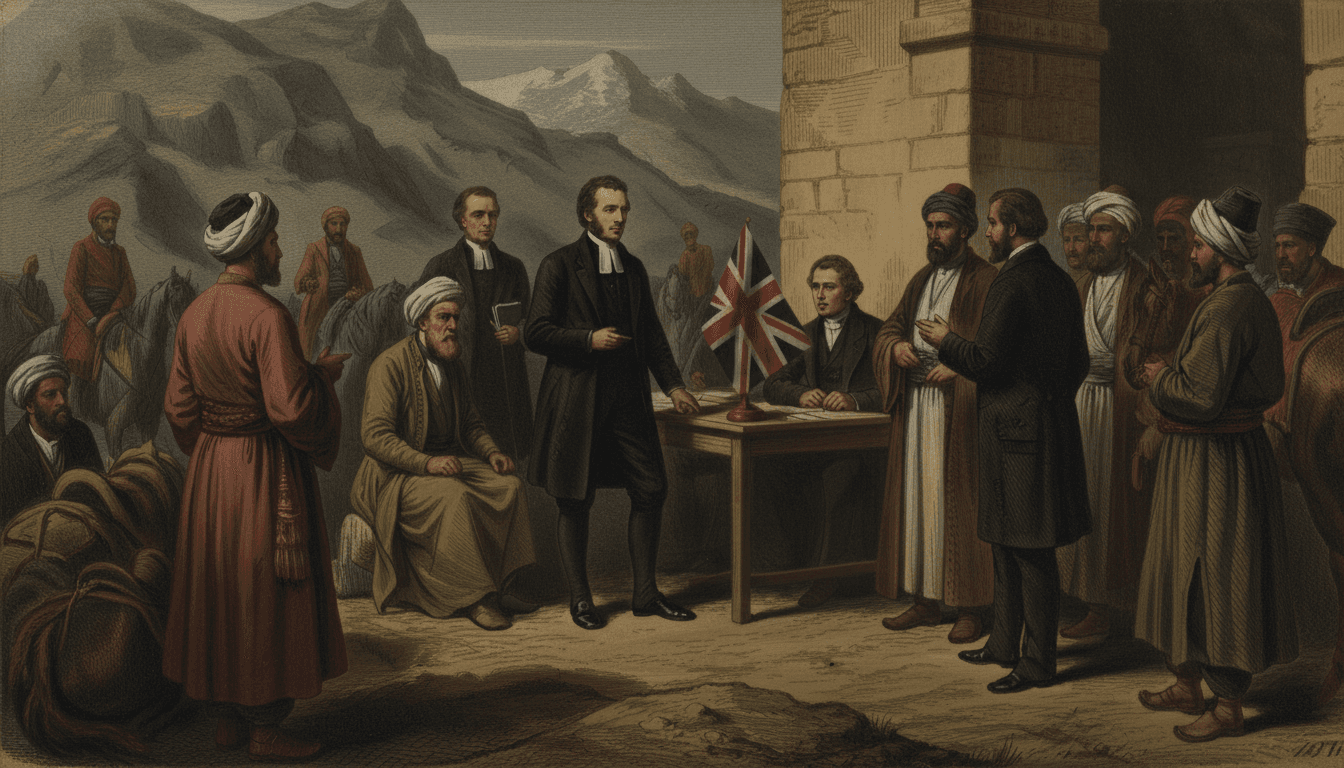
Opportunities for connection exist with Germany’s evangelical communities, which often feature assertive youth outreach and contemporary worship styles. Some Syriac-Aramean youth have attended evangelical events, drawn to multilingual services or modern music. However, tensions arise reflecting old wounds from perceived betrayals in the homeland, including accusations of proselytism, historical distrust, and even rare threats. Church leaders on both sides express openness to collaboration, such as shared youth programs, technological aids like projected lyrics to bridge language gaps, or mutual learning where Syriac-Arameans’ tight-knit ethnic church model could inspire evangelicals, and evangelical diversity efforts could enrich Syriac-Aramean congregations.
Preservation and Future Outlook
To counter the decline in language and attendance, various bodies within congregations like St. Stephanus have made it their mission to preserve Syriac-Aramean culture, tradition, language, and faith. They offer mother-tongue instruction, organize youth services and festivals, and collaborate with the Syriac-Aramean People's Association on events that aim to connect this cultural heritage with modernity. Dedicated Syriac Orthodox initiatives, such as youth organizations and monastery classes, already work to engage the younger generation.
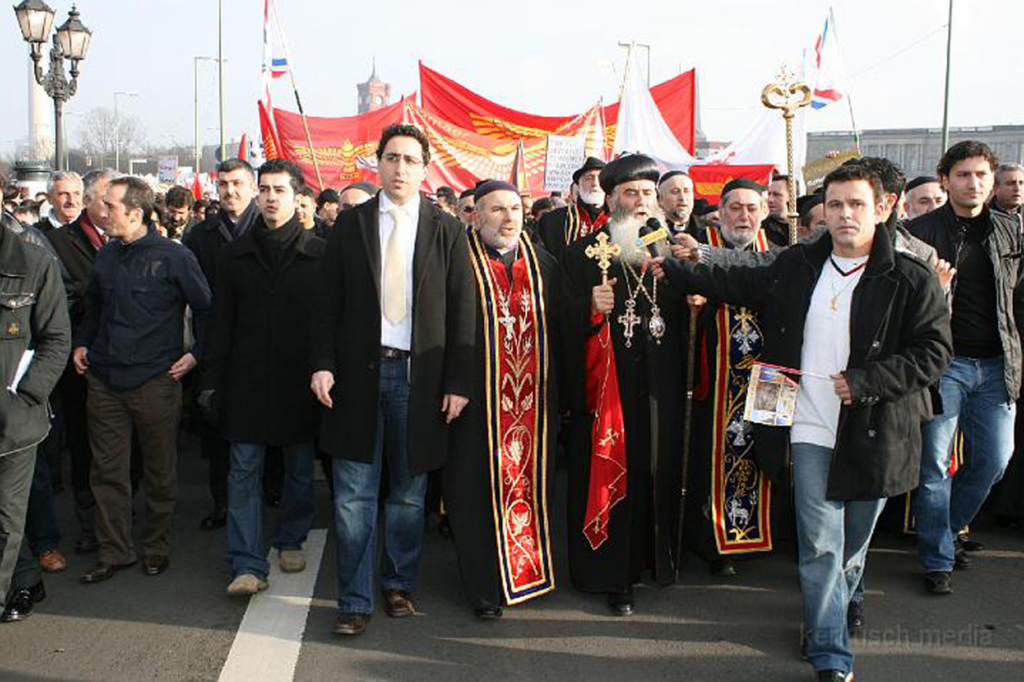
Several umbrella organizations ensure cooperation at regional, national, and international levels. The Federal Association of Syriac-Arameans in Germany is part of the World Association, under whose roof the national associations unite. In addition, the Patriarchate of the Holy Syriac Orthodox Church maintains a diocese in nearly every country with a significant Syriac-Aramean population. Together with several internationally broadcasting television channels, Syriac-Arameans have built a homeland that is free of national borders.
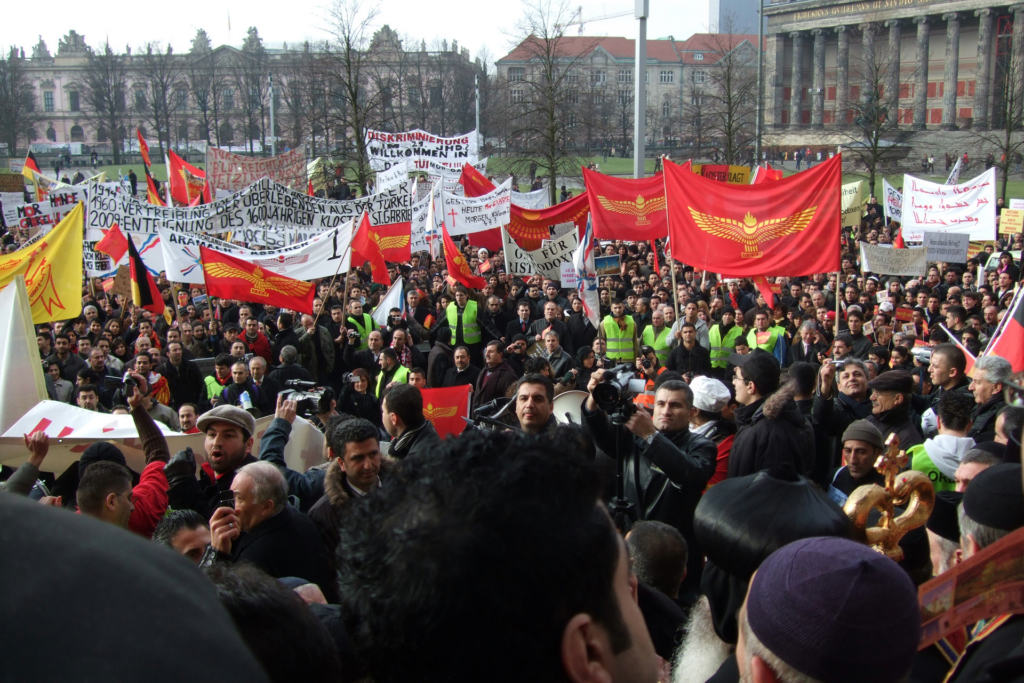
The collective trauma of the genocide carries forward through generations, shaping a deep sense of shared history and caution toward outsiders. Annual Sayfo commemorations on June 15 draw communities together in remembrance, and efforts to erect memorials in German cities persist despite occasional pushback. Yet the longing for their own homeland, where Syriac-Arameans could survive as a cultural nation with a millennia-old tradition, remains alive. Without such a homeland, preserving Syriac-Aramean culture and language in the long term will only be possible if the communities carry out strong, reliable, and sustainable work. The Syriac-Arameans in Germany have built a resilient community, yet finding ways to deepen roots for the young while embracing their German home calls for intentional bridges within the broader Christian landscape.