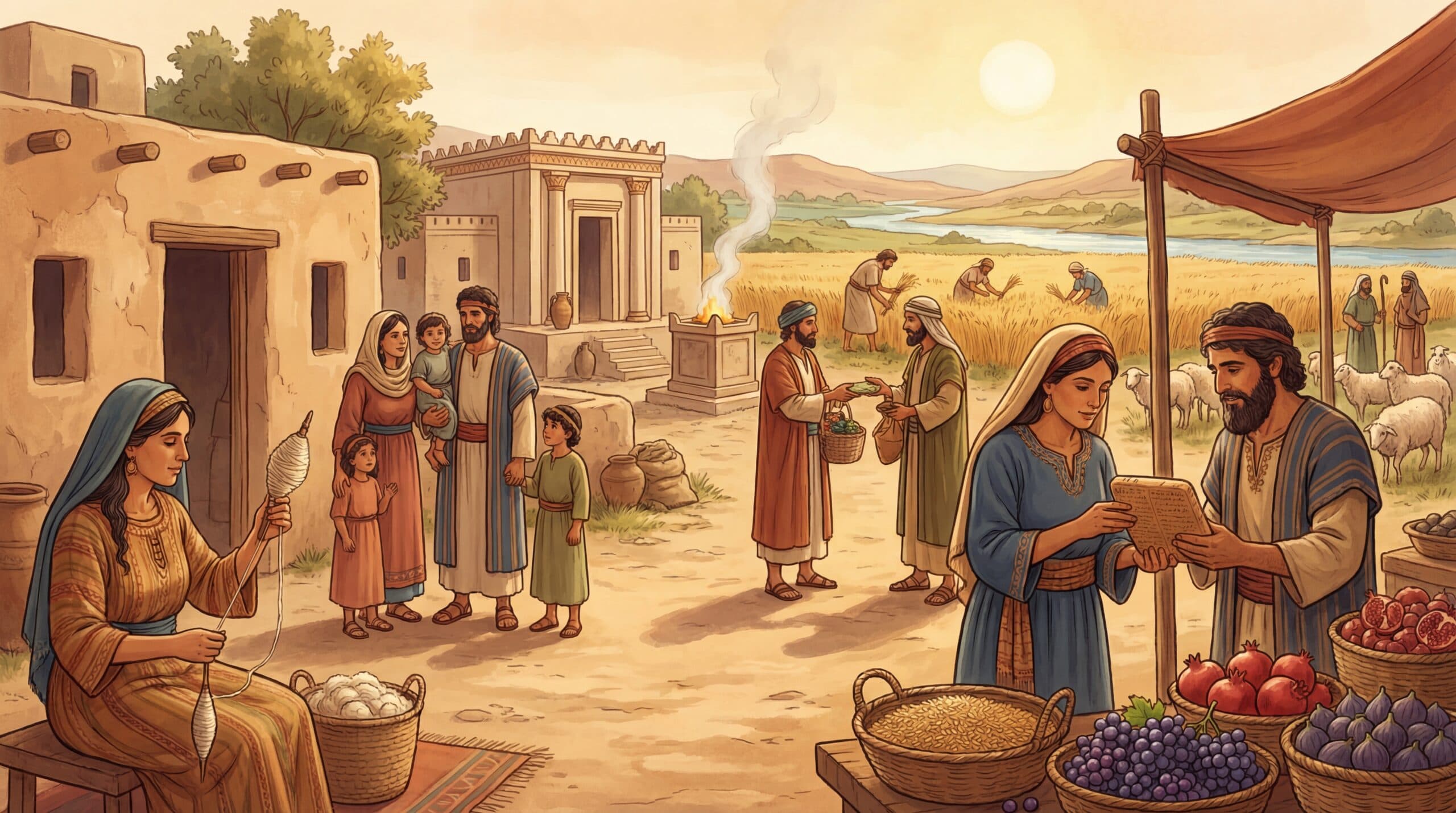

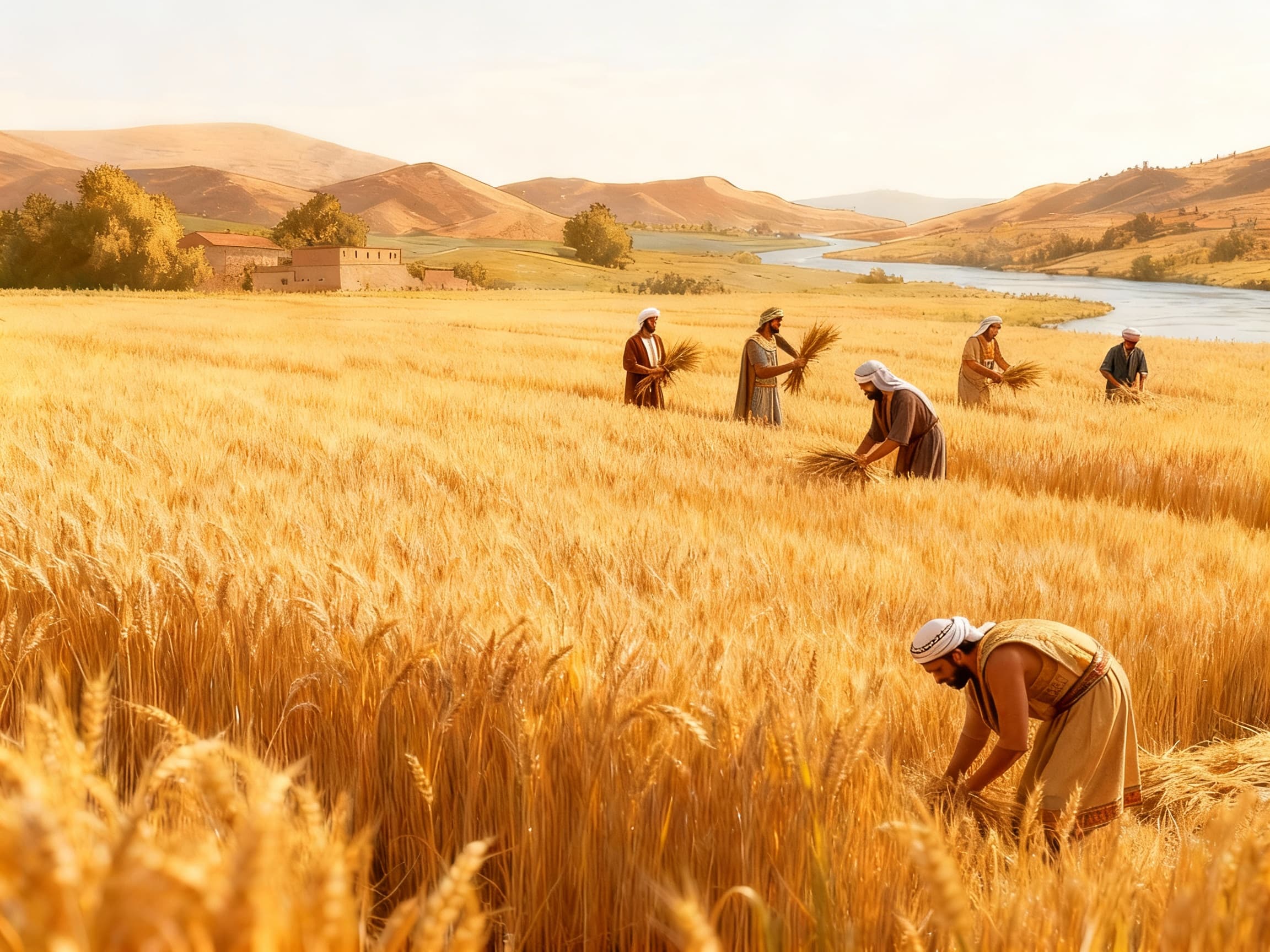
The Diverse Economy of the Aramean Kingdoms
The proverbs of Ahiqar, an Aramean philosopher dating back to the 7th century BCE and conveying traditional wisdom, state:
“yh bry hksr kl ksyr w’bd kl ‘bydh ‘dyn t’kl wtsb”
“O my son, harvest every harvest and perform every task; then you will eat and be satisfied and give to your children”
The Annals of Tukulti-Ninurta II (890–884 BCE) illustrate the versatile economy of the Arameans from the area Aram-Nahrain, which was based on a mixture of livestock farming and agriculture. The kingdoms in which this economic system is documented include Bit-Halupe, Laqe, Bit-Yahiri, Bit-Zamani and Hindaru. The sources report sheep and ox breeding farms, as well as the production of bread, beer, and fodder material such as straw, which served both as animal feed and as building material.
Animal Husbandry
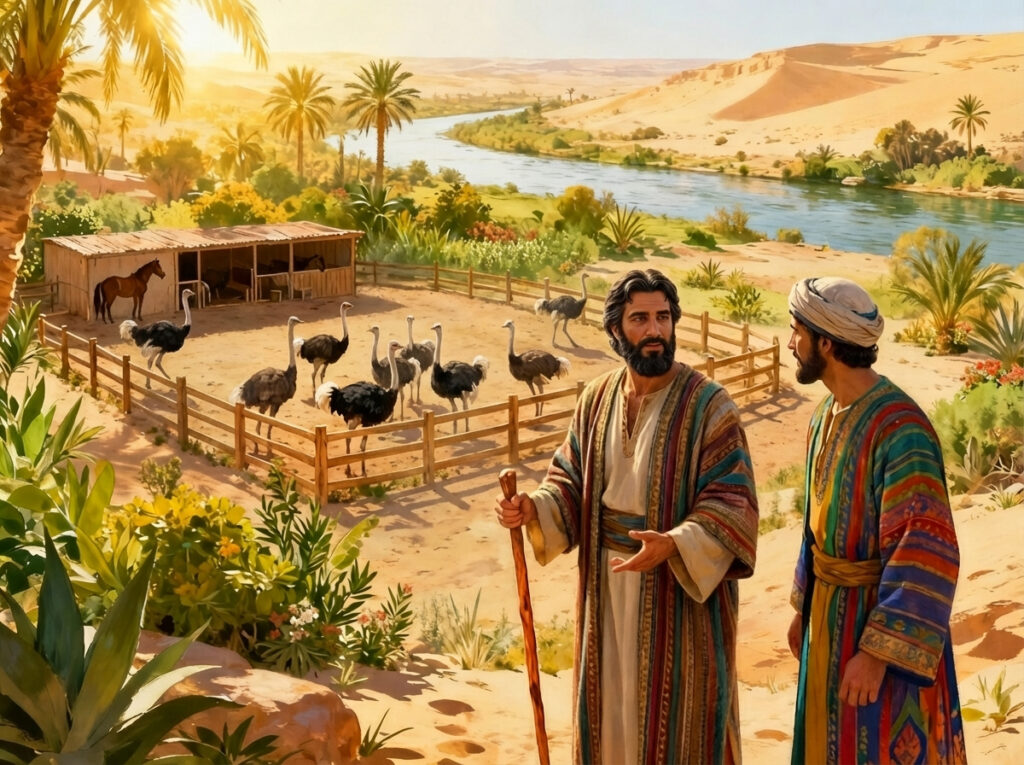
In some places, such as the city Aram-Damascus, donkeys and camels were additionally bred, which were indispensable as working animals for transport and field work, as well as “large birds” ‘issūru rabūtu’, presumably geese or oriental ostriches, which supplied meat, eggs, and feathers. This diversity shows how closely agriculture, animal husbandry, and craft production were interconnected and how the Arameans skillfully utilized their resources to meet both daily needs and generate trade goods.
The Neo-Assyrian “horse reports” indicate that the city of Arpad in the kingdom Bit-Agusi was the most important source for horses in the entire Near East in the 7th century BCE. Tell Halaf in Bit-Bahiani took third place; its importance as a center for horse breeding is further confirmed by an Aramean court decision around 700 BCE. Quantity specifications are sometimes reported: for example, Shalmaneser III received 300 cattle and 3,000 sheep from King Hayyan from Bit-Gabbari, while King Hadram from Bit-Agusi provided 500 cattle and 5,000 sheep.
Swine are never mentioned in the annals, except when Sargon II compares the Chaldean king Marduk-apla-iddina II to a ‘pig in a pigsty’, implying pig farming in Babylon.
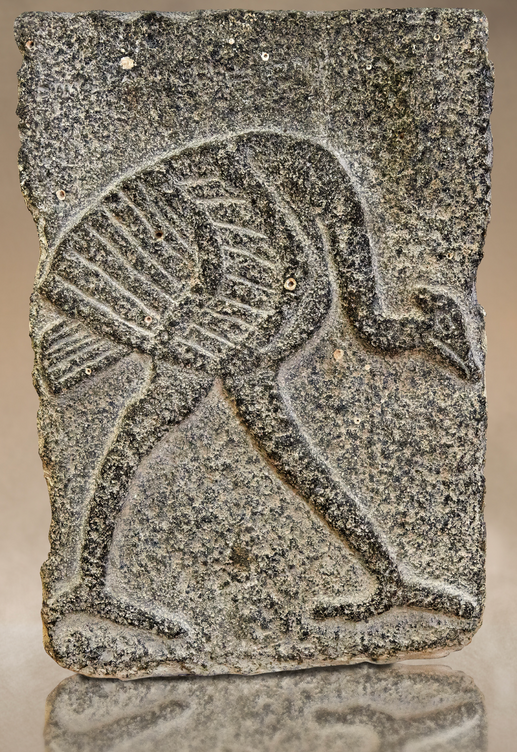
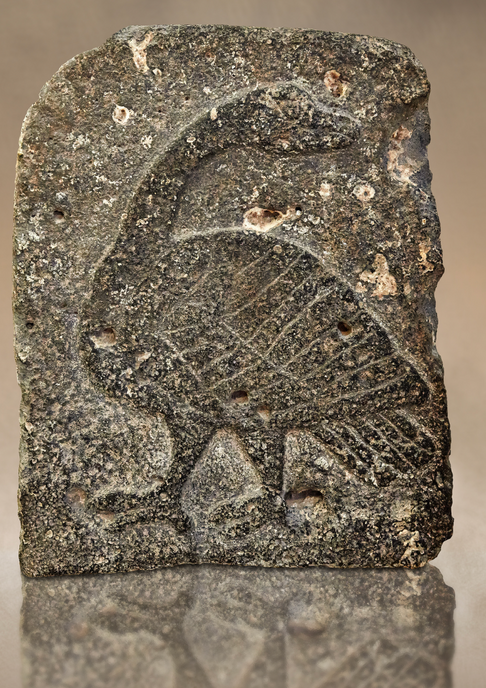
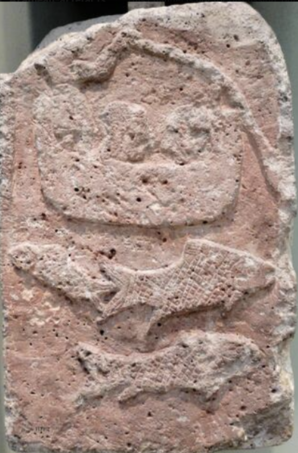
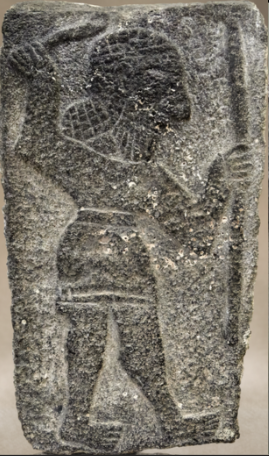
Pergamonmuseum, Vorderasiatisches Museum Aramean Artefacts Tell Halaf – Berlin, Germany
Although agriculture formed the backbone of the food supply, traditional activities such as fishing and hunting remained an integral part of daily life and supplemented the urban diet in various ways. Beyond mere subsistence, they held social and symbolic significance, which was expressed in rituals, festivals, and visual depictions. Hunting, for example, was a frequent motif in art, reflecting both the status of the elite and specific religious aspects of Aramean society.
The Agriculture of the Arameans
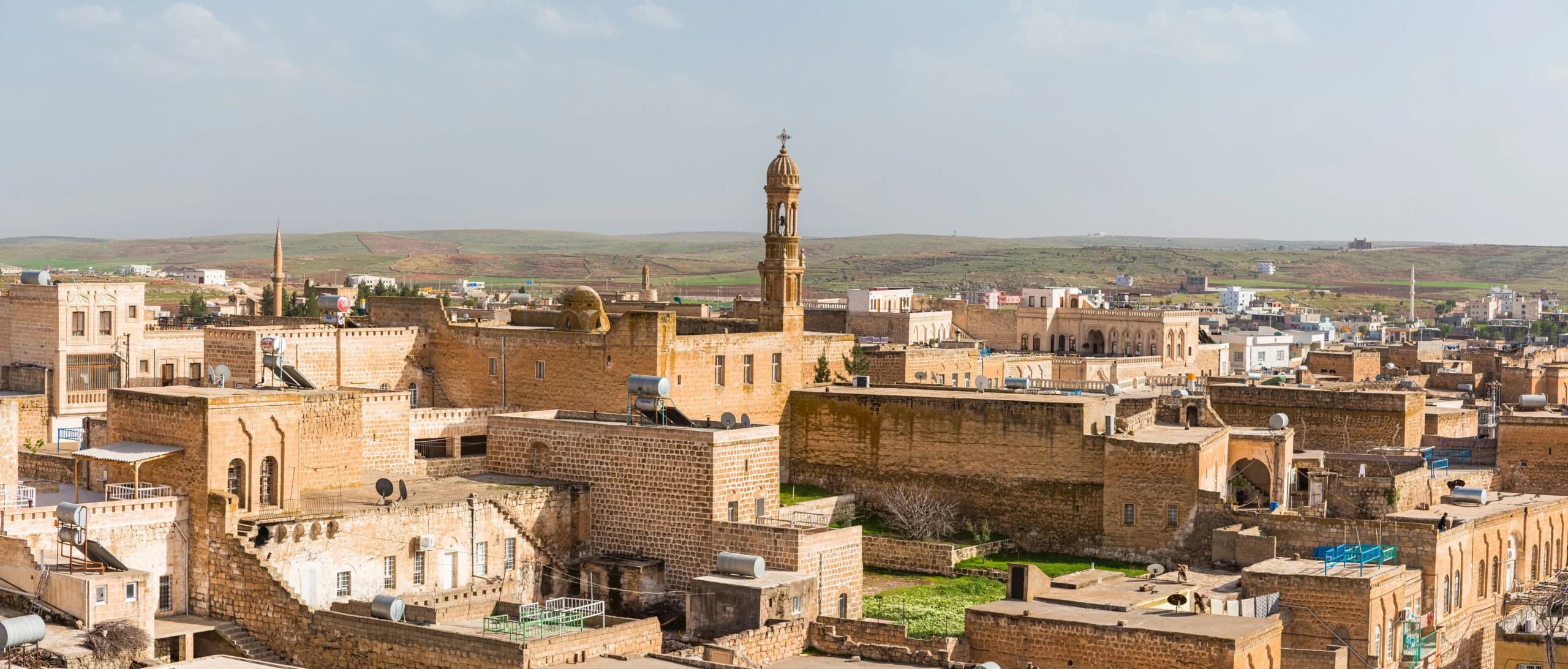
The cultivation of vineyards and orchards, especially in Bit-Zamani, which encompasses a large part of the Tur Abdin region in modern-day Turkey, often required intensive care and careful irrigation. This could only be effective if the water lines were correctly laid and maintained. Such a complex system required both communal authority and significant capital investment and human labor. The regular sowing season extended from October to December, during which crops such as barley, chickpeas, flaxseed, and lentils were planted.
An illustrative example of this is a contract dated to the “Eighth Month.” Yet, just like thousands of years before, people constantly faced bureaucratic difficulties. An example of this is provided by the so-called “complaint tablet to Ea-nāṣir” from Babylon around 1600 BCE: A farmer wrote in cuneiform: “I do not get water for my sesame field. The sesame will die. Do not tell me later: ‘You did not write to me.’ The sesame is visibly dying. Ibbi-Ilabrat has seen it. The sesame will die, and I have warned you.” Apparently, bureaucratic obstacles were already an annoyance then — we could say humanity has learned little regarding paperwork and administration.
A particularly profitable product was the date palm, but its cultivation required constant maintenance and careful irrigation to guarantee rich fruits. Its importance for the Arameans in Babylonia was so great that Sargon II referred to it as “the livelihood of the Arameans.”
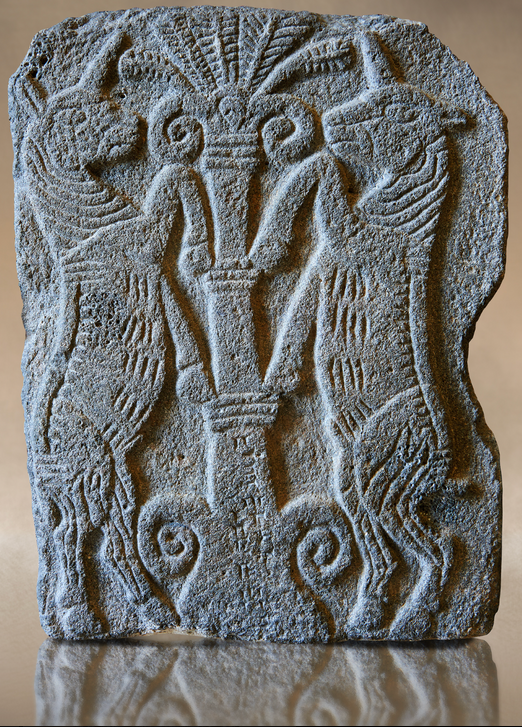
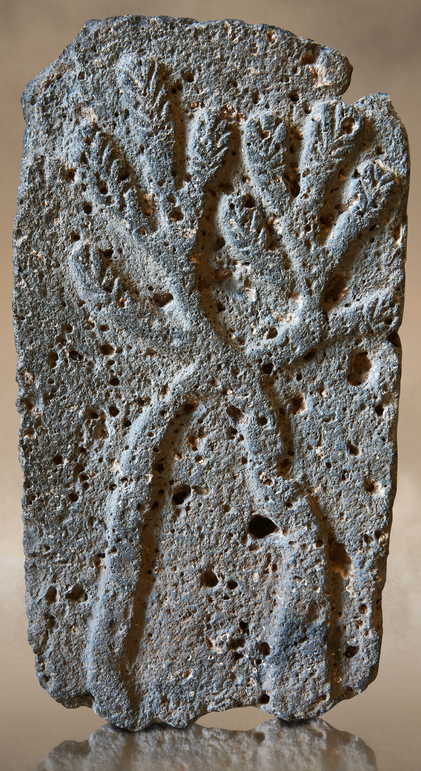
Pergamonmuseum, Vorderasiatisches Museum Aramean Artefacts Tell Halaf – Berlin, Germany
A proverb by Ahiqar states:
"My son, rather pour your wine on the graves of the righteous than drink it with the wicked"
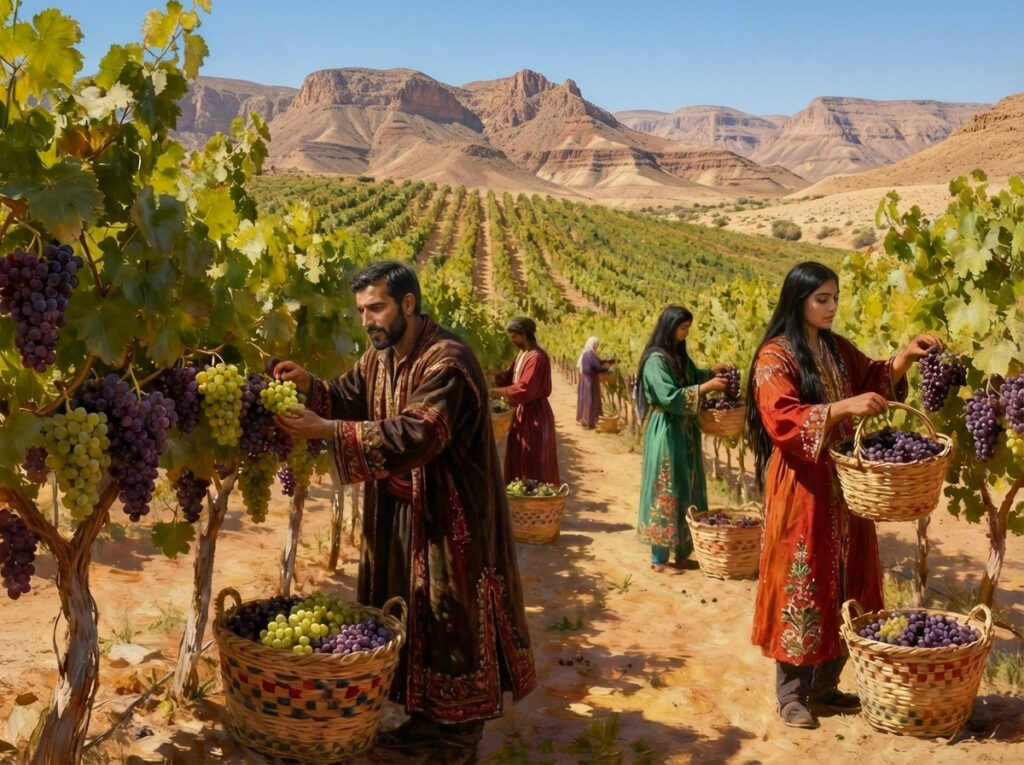
Aramean vineyard regions were located in the modern-day region Tur Abdin, in the land Bit-Zamani, as well as in Til-Abni and the kingdoms Bit-Asali, Bit-’Adini, Bit-Agusi and Bit-Gabbari in the region Paddan-Aram. Furthermore,the Bible in Ezekiel 27:18 mentions wine from Helbon, north of the city of Damascus in the kingdom Aram-Damascus.
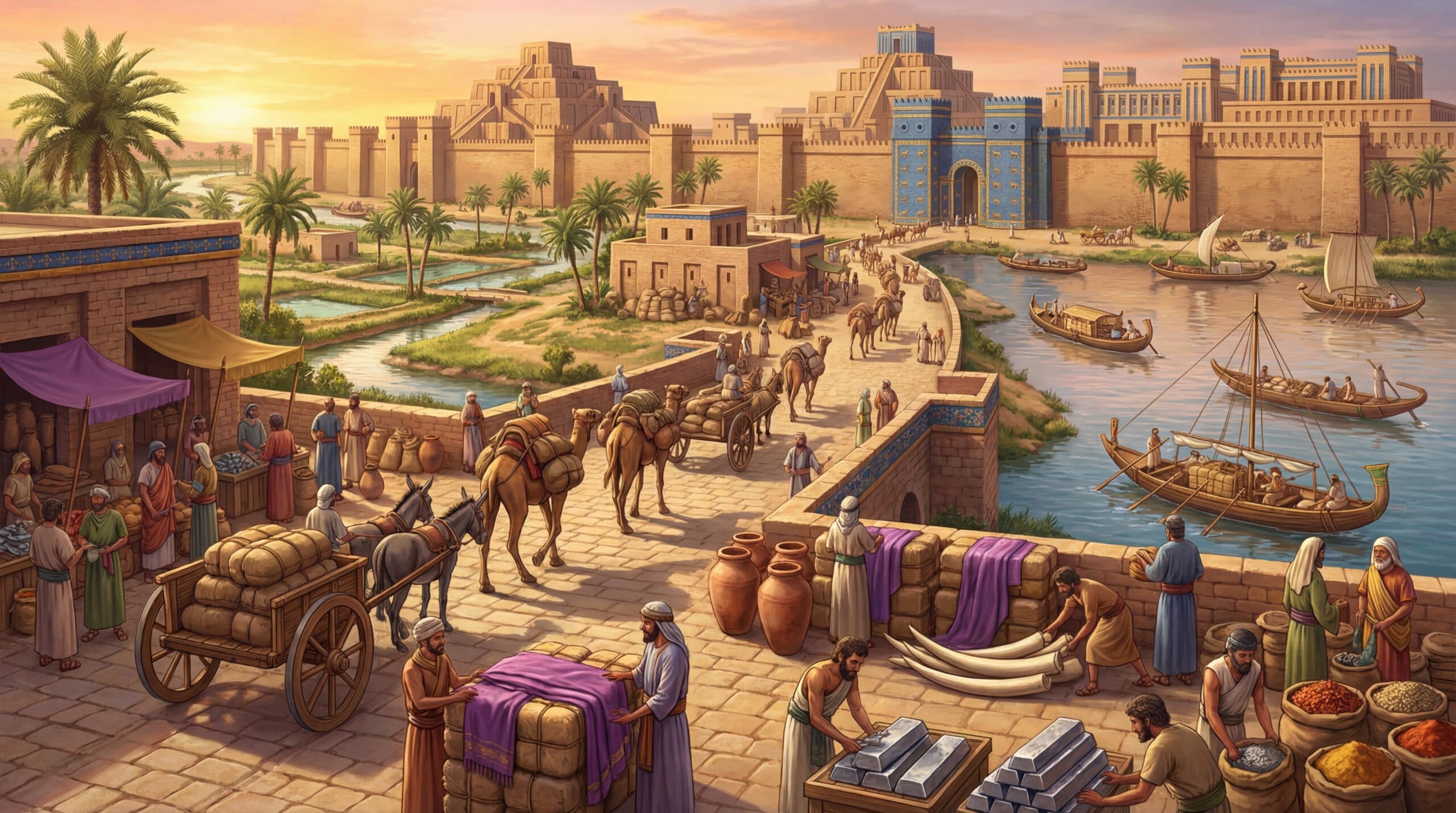
In antiquity, this wine was exported to Tyre, a major Phoenician port city whose merchants were deeply involved in regional Mediterranean trade. It was likewise traded with Egypt, Assyria, Babylonia, and Persia, where it was appreciated as a valued Near Eastern product.
Economic Resilience
Aramean loan contracts from the region Paddan-Aram, particularly in the Aramean kingdoms Bit-Bahiani, Baliach and Bit-Adini, significantly facilitated trade between the kingdoms. Especially in the case of drought periods, the mutual lending of resources offered survival security for the respective countries. Sources from the 7th century BC provide concrete examples of the lending of barley or wheat between neighboring countries, especially in the autumn before the winter rains.
"yh bry zp dgn ‘whntt zy t’kl wtsb’ wtntn lbnyk ‘mk"
"O my son, lend the grain and the wheat, so that you can eat and be satisfied and give to your children"
- Ahiqar
Forestry
Since earliest times, forests supplied firewood and building material. Among their products, cedar and pine resin was considered particularly valuable. In the Bible (Ezekiel 27:16), this resin is apparently mentioned as the most important export article of Aram.
The Aleppo pine in Bit-Agusi, in particular, was known for its abundance of resin. A surviving term, "bnpk," suggests that this refers to resin or turpentine that exudes from certain conifers. The Bible refers to such a tree as "eṣ-šemen" (oil tree) – not because of real oil fruits, but because of its high turpentine content.
The Amanus Mountains in Bit-Gabbari were considered the main supplier of valuable and fragrant wood, as mentioned particularly in the inscriptions of Sargon II. Shalmaneser III received boxwood from the Arameans from Bit-Agusi. This type of wood was used in various pieces of furniture: beds, thrones, and bowls made of boxwood, often decorated with ivory from Aram-Damascus.
The handle of the axe often turns against the forest from which it comes. - Ahiqar